Back to ResourcesOtorhinolaryngology (Ent — Head & Neck)
Navigating Common ENT Conditions: A Practical Guide to Prevention and Care
Health education · AI-assisted
Dr. Baban Kumar•October 19, 2026•2 views
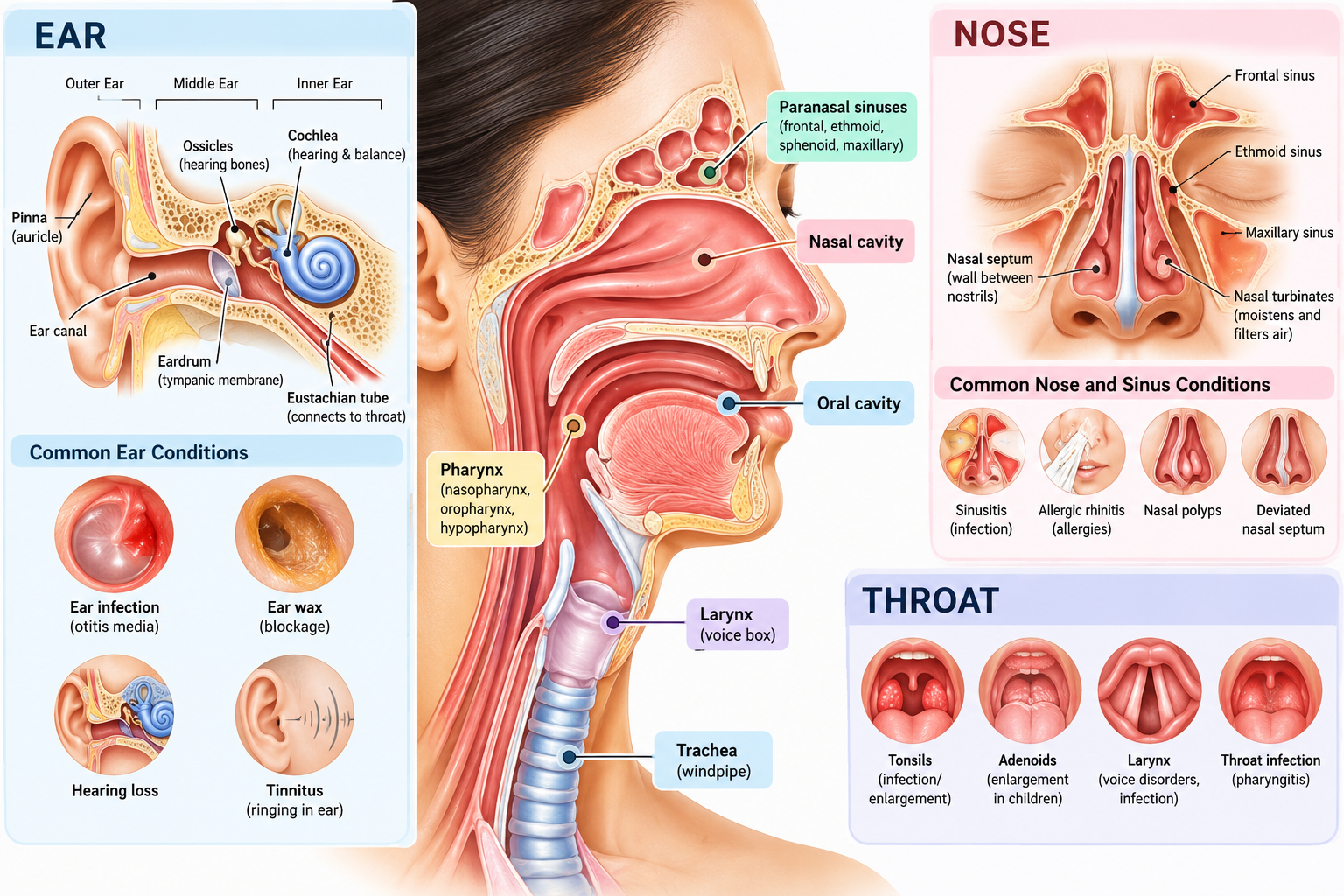
Understanding and managing ear, nose, and throat (ENT) health is crucial for overall well-being. This guide aims to empower you with preventive measures and practical advice for common ENT conditions, emphasizing the importance of timely intervention.
Preventing Common ENT Conditions
Maintaining good ENT health can significantly impact your quality of life. Here are some daily habits to promote ear, nose, and throat health:
- Avoiding Allergens and Irritants: Minimize exposure to dust, smoke, and pollution, which can aggravate ENT conditions. Using air purifiers and keeping your living space clean can help reduce these irritants.
- Regular Check-Ups and Early Interventions: Routine visits to an ENT specialist can help detect issues early and prevent complications. Early intervention is key to managing conditions effectively.
Daily Habits for Ear and Throat Wellness
Incorporating certain habits into your daily routine can support your ENT health:
- Hydration: Staying well-hydrated keeps the mucosal lining of your throat healthy, reducing the risk of infections.
- Nutritious Diet: A balanced diet rich in vitamins and minerals supports the immune system and can prevent ENT issues.
- Oral and Nasal Hygiene: Regular brushing, flossing, and nasal irrigation can prevent infections and maintain overall ENT health.
Recognizing Symptoms: When to Seek Help
Being aware of the symptoms of ENT issues can help you decide when to seek professional help:
- Common Signs: Persistent sore throat, nasal congestion, or ear pain should not be ignored. These could indicate underlying conditions that require attention.
- Differentiating Concerns: Understanding when a symptom is a mild discomfort or a sign of something more serious can be challenging. If symptoms persist or worsen, it’s important to consult a specialist.
- Family History and Personal Health: Your family history and personal health can influence ENT conditions. Discussing these with your doctor can aid in early diagnosis and treatment.
Understanding Common ENT Conditions
Several common ENT conditions can affect individuals across different demographics:
- Sinusitis: This condition involves inflammation of the sinuses and can cause headaches, facial pain, and congestion. Factors such as allergies and infections increase the risk.
- Tonsillitis: Inflammation of the tonsils often leads to sore throat, difficulty swallowing, and fever. It is more common in children but can affect adults too.
Understanding how these conditions develop can help in managing them effectively.
When Home Remedies Aren't Enough: Knowing When to Consult a Specialist
Home remedies can provide temporary relief, but knowing when to seek professional help is crucial:
- Escalation of Symptoms: If symptoms persist despite home treatment, it may indicate a more serious issue that requires medical evaluation.
- Professional Evaluation: Scenarios like severe pain, high fever, or difficulty breathing necessitate immediate consultation with an ENT specialist.
- Specialized Care: A specialist can provide targeted treatments that address the root cause of your symptoms, leading to better outcomes.
Exploring Treatment Options with a Specialist
ENT specialists offer a range of treatments tailored to individual needs:
- Endoscopic Sinus Surgery: This minimally invasive procedure can relieve chronic sinusitis symptoms by clearing blocked sinuses.
- Tonsillectomy: For recurrent tonsillitis, removing the tonsils can prevent future infections.
- Medical Management: Chronic conditions often require ongoing medical management to control symptoms and improve quality of life.
Ongoing Care and Follow-Up
Post-treatment care is essential for maintaining ENT health:
- Follow-Up Appointments: Regular follow-ups ensure that your treatment plan is effective and any adjustments can be made promptly.
- Supportive Care Routine: Establishing a routine that includes healthy habits and regular check-ins with your doctor can empower you to take charge of your ENT health.
By understanding these aspects of ENT health, you can make informed decisions and maintain a healthier lifestyle. For more information or to discuss your symptoms, consider consulting a specialist.