Back to ResourcesENT / Sinus & Nasal Disorders
Sinus Surgery in Patna: Endoscopic Sinus Surgery (FESS)
Health education · AI-assisted
Dr. Baban Kumar•September 23, 2026•2 views
What Is Sinus Surgery?
Sinus surgery is a procedure used to improve drainage and ventilation of the sinuses when medical treatment does not adequately control chronic or recurrent sinus problems.
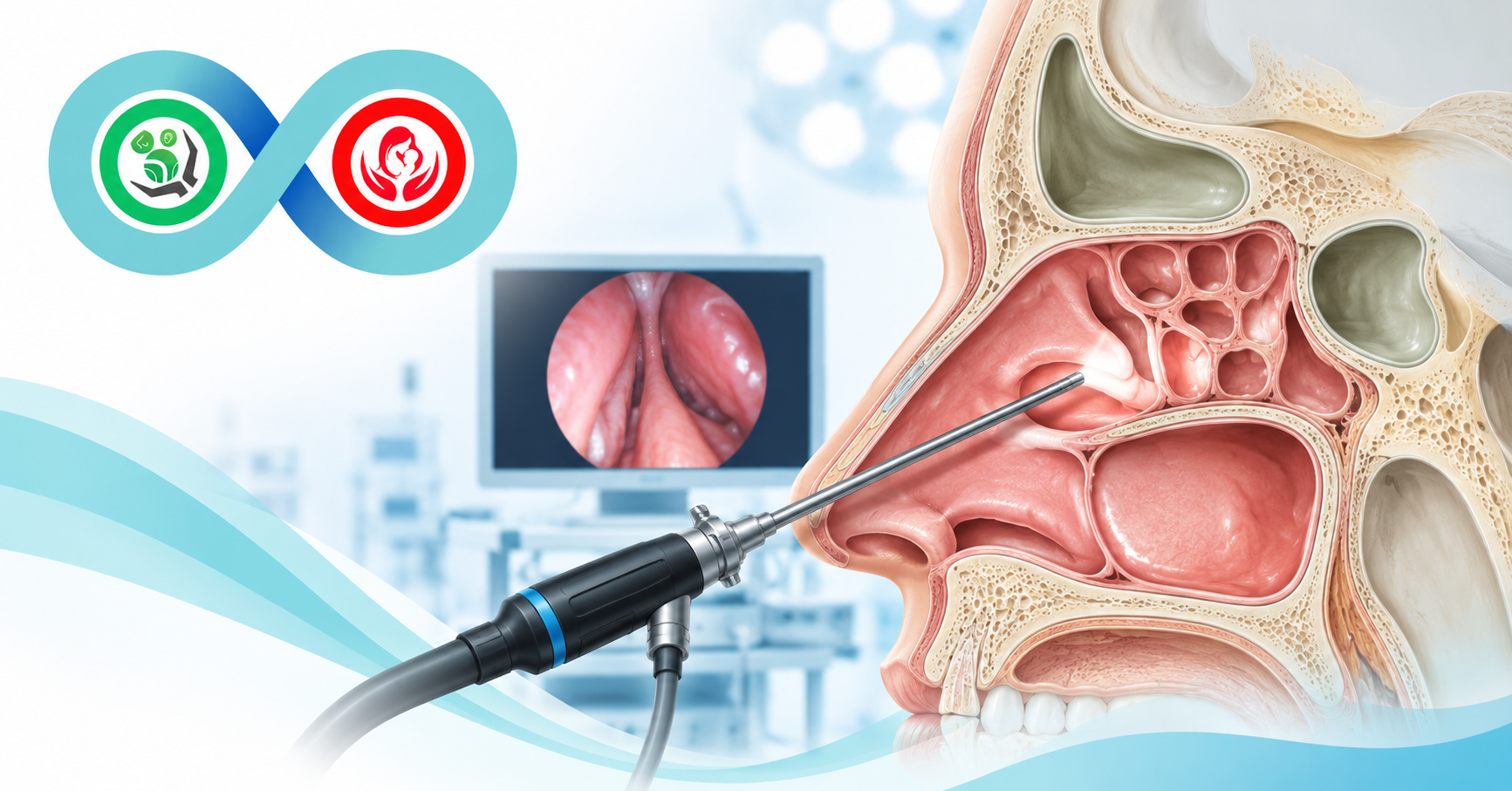
The most commonly performed modern approach is Functional Endoscopic Sinus Surgery (FESS). It uses a small nasal endoscope to access the sinus openings through the nostrils, without an external facial incision.
When Is Sinus Surgery Needed?
Sinus surgery may be considered when symptoms persist despite appropriate medical treatment or when there are structural or disease-related problems affecting sinus drainage.
Common situations include:
Chronic rhinosinusitis
Recurrent sinus infections
Nasal polyps
Blocked sinus openings
Certain anatomical abnormalities
Fungal sinus disease in selected cases
Complications of sinus disease
Persistent symptoms despite appropriate medical treatment
The decision for surgery depends on symptoms, nasal endoscopy findings, imaging such as CT of the paranasal sinuses, and response to medical treatment.
What Is FESS?
Functional Endoscopic Sinus Surgery (FESS) is a minimally invasive sinus procedure performed through the natural nasal passages.
An endoscope provides a magnified view inside the nose and sinuses. The surgeon removes or corrects diseased tissue or obstruction while aiming to preserve healthy mucosa and restore normal sinus drainage.
How Is Sinus Surgery Performed?
Before surgery, the ENT specialist evaluates the nose and sinuses, usually with nasal endoscopy and, when indicated, a CT scan.During surgery:
The patient receives appropriate anaesthesia.
A nasal endoscope is introduced through the nostril.
The blocked or diseased sinus pathways are identified.
Diseased tissue, polyps or obstructing structures may be treated.
Natural sinus drainage pathways are opened or enlarged where required.
The nose is examined for bleeding or other issues before completion.
The exact procedure depends on the patient's diagnosis and CT/endoscopic findings.
Is Sinus Surgery Performed Through the Nose?
Yes. Most modern endoscopic sinus surgeries are performed through the nostrils using specialized instruments and an endoscope.
This means there is generally no external facial incision or visible facial scar from standard FESS.
What Are the Benefits of Endoscopic Sinus Surgery?
Depending on the underlying condition, surgery may help:
Improve sinus drainage
Reduce nasal blockage
Improve nasal breathing
Reduce recurrent sinus infections
Treat nasal polyps
Improve sinus-related facial pressure
Improve access for ongoing medical treatment
Surgery is not a guarantee that sinus disease will never return. Some patients, particularly those with chronic inflammatory disease or nasal polyps, may continue to require medical treatment and follow-up.
Recovery After Sinus Surgery
Recovery varies according to the type and extent of surgery and the underlying disease.
Patients may experience temporary nasal blockage, mild discomfort, blood-stained nasal discharge or crusting during the early recovery period.
Your ENT specialist may recommend:
Saline nasal irrigation
Prescribed nasal medications
Follow-up nasal endoscopy
Avoiding nose blowing for a specified period
Temporary restriction of strenuous activity
Regular postoperative follow-up is important for cleaning, healing assessment and long-term disease control.
Risks of Sinus Surgery
Like any surgical procedure, sinus surgery has potential risks. These can include:
Bleeding
Infection
Persistent or recurrent symptoms
Adhesions or scarring inside the nose
Need for further treatment or surgery
Rare injury to structures around the sinuses, including the orbit or skull base
Your surgeon will discuss the risks and expected benefits based on your individual condition.
Can Sinusitis Be Treated Without Surgery?
Yes. Many patients with sinusitis can be managed without surgery.
Treatment may include appropriate medications, saline irrigation, nasal corticosteroid sprays and management of contributing factors. Surgery is generally considered when symptoms or disease persist despite appropriate medical management, or when specific anatomical or disease-related indications are present.
Sinus Surgery in Patna
If you have persistent nasal blockage, recurrent sinus infections, facial pressure, reduced sense of smell or nasal polyps, an ENT evaluation can help determine the underlying cause.
At Care Infinity ENT & Maternity Centre, Patna, patients can undergo evaluation for nasal and sinus conditions, including nasal endoscopy and assessment for endoscopic sinus surgery where appropriate.
Book a consultation with {{Dr.Baban kumar}} in to discuss your sinus symptoms and treatment options.
Consult an ENT Specialist for Sinus Problems in Patna
Address:
Care Infinity ENT & Maternity Centre, Jagdeo Path, Khajpura, Bailey Road, Patna, Bihar 800014
Book your ENT consultation with Dr.BABAN KUMAR in PATNA for evaluation of chronic sinusitis, nasal blockage and sinus problems.
Frequently Asked Questions
Q1.Is sinus surgery painful?
Sinus surgery is performed under appropriate anaesthesia. Some nasal blockage, congestion and discomfort can occur during the initial recovery period.
Q2.Is FESS a major surgery?
FESS is an endoscopic procedure performed through the nose. The extent of surgery varies depending on the sinus disease and individual anatomy.
Q3.Will sinusitis come back after surgery?
Sinus symptoms can recur in some patients, particularly when chronic inflammatory disease or nasal polyps are present. Ongoing medical treatment and follow-up may be needed.
Q4.Is there any scar after FESS?
Standard FESS is performed through the nostrils, so it generally does not produce an external facial scar.
Q5.Do I need a CT scan before sinus surgery?
A CT scan of the paranasal sinuses is commonly used when surgery is being considered because it helps the surgeon assess sinus anatomy and disease extent.