Back to ResourcesEar & Hearing Disorders
Understanding Ear Infections: Causes, Symptoms, and Treatment Options
Health education · AI-assisted
Dr.Baban kumar•September 17, 2026•4 views
What Are Ear Infections?
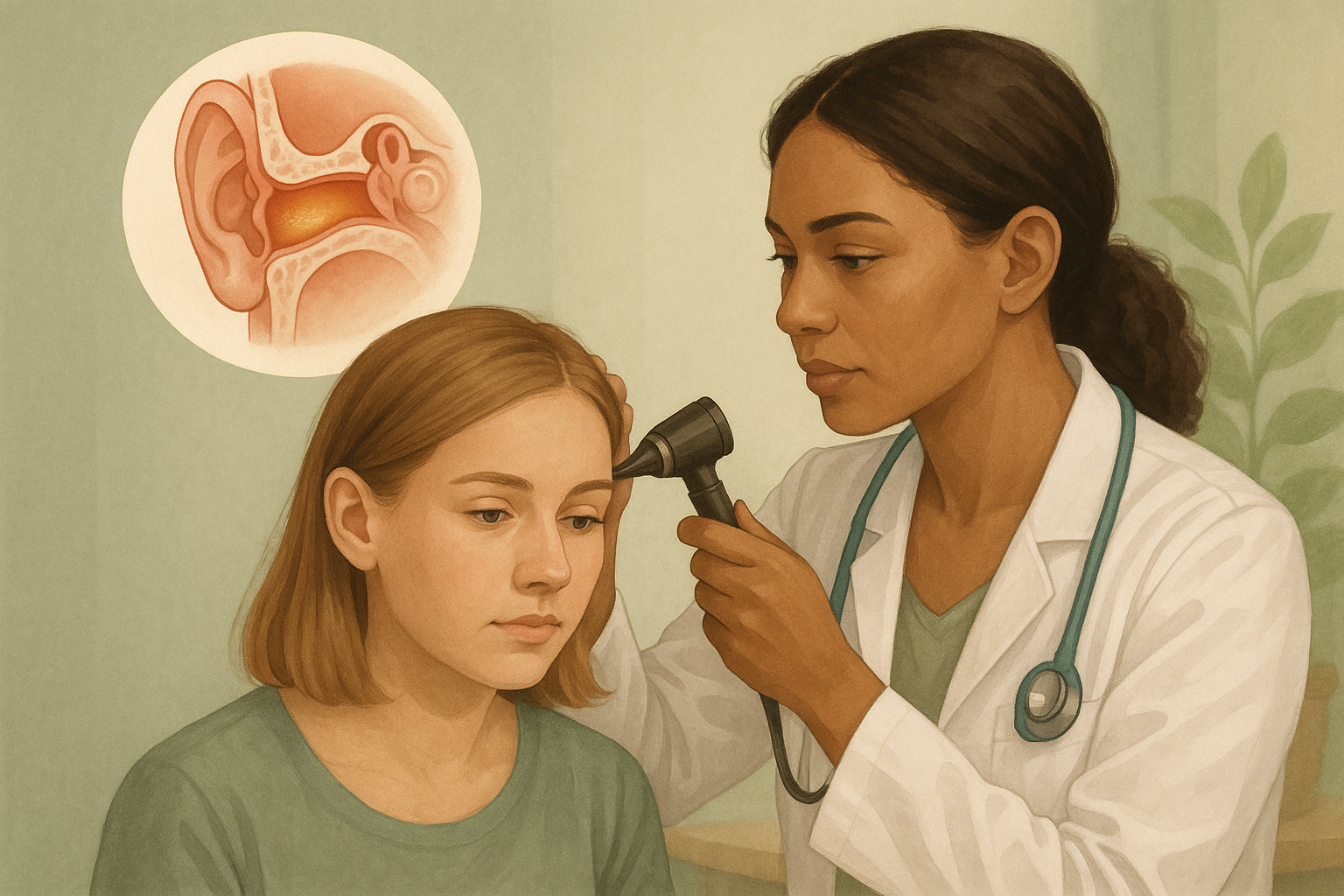
Ear infections, medically known as otitis media, occur when bacteria or viruses infect the middle ear. This space, located just behind the eardrum, can become inflamed and filled with fluid, leading to discomfort and potential hearing issues. Ear infections are particularly common in children but can affect individuals of any age. Understanding the nature of these infections is crucial for effective management and prevention.
Common Causes of Ear Infections
Ear infections are typically caused by bacteria or viruses. The eustachian tubes, which connect the middle ear to the back of the throat, can become blocked due to allergies, colds, or sinus infections. This blockage can trap fluid in the middle ear, creating an ideal environment for germs to grow. Factors such as age, family history, and exposure to tobacco smoke can increase the risk of developing ear infections.
Recognizing the Symptoms of an Ear Infection
Symptoms of an ear infection can vary but often include ear pain, difficulty hearing, and a feeling of fullness in the ear. In children, you might notice irritability, trouble sleeping, or pulling at the ear. Fever and fluid drainage from the ear are other potential indicators. It's important to note that these symptoms can also be present in other conditions, so a proper diagnosis by a healthcare professional is necessary.
When to Consult a Doctor
If you or your child experiences persistent ear pain, high fever, or fluid discharge from the ear, it's advisable to consult with a healthcare professional. Dr. Baban Kumar, with his extensive expertise in ENT care, emphasizes the importance of timely medical intervention to prevent complications such as hearing loss or the spread of infection to nearby tissues.
Diagnosing Ear Infections
Diagnosing an ear infection involves a thorough examination of the ear using an otoscope. This tool allows the doctor to see inside the ear and check for signs of infection, such as redness or fluid behind the eardrum. In some cases, additional tests like tympanometry or hearing tests may be conducted to assess the extent of the infection and its impact on hearing.
Treatment Options for Ear Infections
Treatment for ear infections depends on the severity and underlying cause. Bacterial infections may require antibiotics, while viral infections often resolve on their own. Pain management is also crucial, and over-the-counter pain relievers can be used to alleviate discomfort. In recurrent cases, procedures such as ear tube surgery might be considered to prevent future infections.
Preventing Ear Infections
Preventive measures can significantly reduce the risk of ear infections. These include maintaining good hygiene, avoiding exposure to tobacco smoke, and ensuring vaccinations are up-to-date. Breastfeeding infants and managing allergies effectively can also lower the likelihood of developing ear infections. Dr. Kumar advises regular check-ups to monitor ear health, especially in children prone to infections.
FAQs About Ear Infections
Patients often have questions about ear infections, such as 'Are ear infections contagious?' and 'Can swimming cause ear infections?' Ear infections themselves are not contagious, but the colds and viruses that lead to them can be. Swimming doesn't directly cause ear infections, but water trapped in the ear can lead to swimmer's ear, a different type of infection.